Recent advances in cancer treatment continue to offer new hope for patients worldwide. Innovations in medical technology and a deeper understanding of cancer biology have led to the development of therapies that aim to improve outcomes and reduce side effects. This article explores the latest updates in cancer treatment, focusing on promising therapies that could reshape standard care.
Advances in Immunotherapy
Immunotherapy has emerged as a transformative approach in cancer treatment, harnessing the patient’s immune system to recognize and attack cancer cells. Recent developments include immune checkpoint inhibitors, which help restore the immune system’s ability to target tumors. Clinical trials have demonstrated effectiveness in a variety of cancers, including melanoma, lung cancer, and certain types of lymphoma. Researchers are now investigating combination therapies that pair immunotherapy with chemotherapy or targeted agents to enhance efficacy and overcome resistance.
Targeted Therapies and Precision Medicine
Targeted therapies focus on specific genetic mutations or molecular markers found in cancer cells, allowing for more personalized treatment. Advances in genomic sequencing have enabled oncologists to better identify tumors’ mutations and select drugs accordingly. Several new targeted agents have been approved recently for cancers such as breast, colorectal, and lung cancer. These therapies tend to have a more favorable side effect profile compared to conventional chemotherapy, improving patient quality of life during treatment.
CAR T-Cell Therapy Developments
Chimeric Antigen Receptor (CAR) T-cell therapy represents an innovative approach wherein a patient’s own immune cells are genetically engineered to identify and destroy cancer cells. This therapy has shown remarkable success in certain blood cancers like leukemia and lymphoma. Ongoing research is focused on expanding CAR T-cell applications to solid tumors, which present unique challenges related to the tumor microenvironment. Additionally, improvements in manufacturing and reducing treatment-related toxicities are key areas of progress.
Advancements in Radiation Therapy
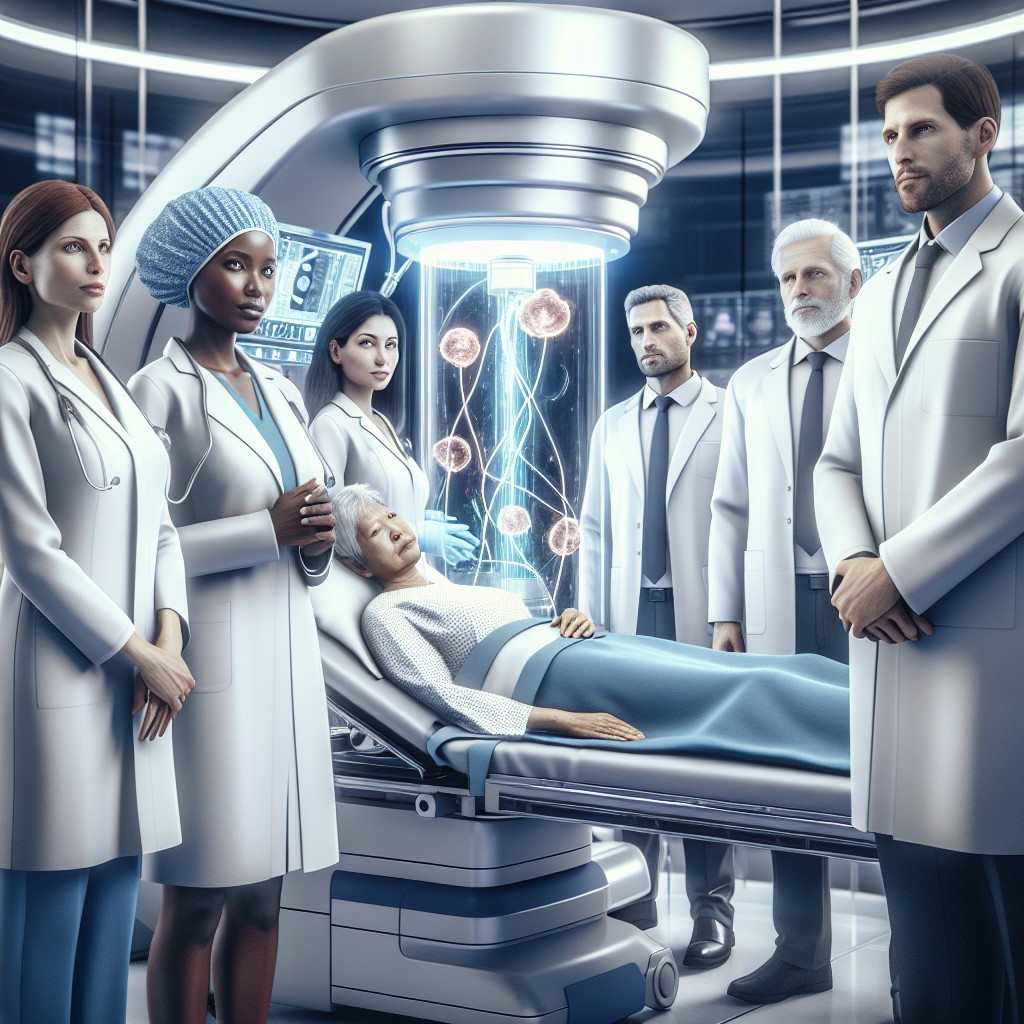
Radiation therapy remains a cornerstone in cancer treatment, and technological advances have substantially increased its precision and safety. Techniques such as intensity-modulated radiation therapy (IMRT) and proton beam therapy allow oncologists to target tumors more accurately while sparing surrounding healthy tissue. These improvements lead to fewer side effects and better preservation of normal function. Current research is exploring the integration of radiation with systemic therapies to enhance overall treatment outcomes.
Emerging Role of Artificial Intelligence in Treatment Planning
Artificial intelligence (AI) is increasingly being integrated into cancer treatment workflows. AI algorithms assist in interpreting imaging data, identifying tumor characteristics, and optimizing radiation plans. Additionally, machine learning models are being developed to predict patient responses to various therapies, potentially enabling clinicians to tailor cancer treatment more effectively. While still in early stages, AI holds promise for improving decision-making and personalizing care to a greater extent.
In conclusion, ongoing advancements in cancer treatment continue to expand the range of therapeutic options available to patients. Innovations in immunotherapy, targeted therapies, novel cell-based treatments, radiotherapy, and artificial intelligence integration are shaping the future landscape of cancer care. These developments offer optimistic prospects for increased survival rates and improved quality of life. Continued research and clinical trials will be essential to translate these advancements into widespread clinical benefits.
Frequently Asked Questions about cancer treatment
What are the most recent innovations in cancer treatment?
Recent innovations in cancer treatment include advancements in immunotherapy, targeted therapies based on genetic profiling, CAR T-cell therapy, improved radiation techniques, and the use of artificial intelligence to inform treatment decisions.
How does immunotherapy improve cancer treatment outcomes?
Immunotherapy enhances cancer treatment by enabling the immune system to recognize and attack cancer cells more effectively, leading to durable responses in some cancers that were previously difficult to treat.
Are targeted therapies available for all types of cancer?
Targeted therapies are currently available for several cancer types where specific genetic mutations are identified. However, their applicability depends on the molecular characteristics of each tumor and is not yet universal for all cancers.
What is CAR T-cell therapy and its significance in cancer treatment?
CAR T-cell therapy involves modifying a patient’s immune cells to target cancer directly. It has shown remarkable success in certain blood cancers and is being researched for broader applications, representing a major development in personalized cancer treatment.
How is artificial intelligence influencing cancer treatment?
Artificial intelligence supports cancer treatment by improving the accuracy of diagnostics, optimizing radiation therapy planning, and helping predict therapy responses, thereby contributing to more personalized and effective cancer treatment strategies.